Filters
Your Selections
    Asset
    Published
    Vehicle Domain
    Topical Categories
    Application Area
    2026 Automotive Supplier Outlook
    In the wake of another tumultuous year for the global automotive industry, this report provides unfiltered insights directly from the front lines. S&P Global Mobility’s Matthew Beecham engaged with 59 senior executives from across the automotive supply chain to capture their experiences and strategies. Now in its third year, this comprehensive end-of-year analysis outlines the operational and strategic challenges suppliers faced in 2025 and how they are preparing for 2026. The suppliers...
    2026 Automotive Analyst Outlook
    S&P Global Mobility’s 2026 Automotive Analyst Outlook presents a comprehensive collection of insights, reflections and forward-looking perspectives from our team of analysts. Drawing on a year marked by volatility, innovation and adaptation, our experts examine how the global automotive industry navigated the challenges and opportunities of 2025 — from supply chain disruptions and regulatory shifts to the evolving landscape of electrification, connectivity and consumer preferences. Throu...
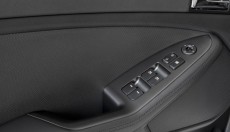
    European New Car Assessment Program’s button mandate forces a rethink of the digital cockpit
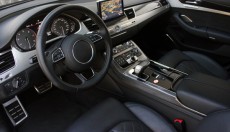
    For more than a decade, the automotive industry followed a clear trajectory: digitize the driving experience, replace physical controls with touchscreens and let software define the cockpit. From 2026, Europe’s most influential vehicle safety assessor will begin to reverse that logic. Under revised protocols, the European New Car Assessment Program (EuroNCAP) will explicitly reward vehicles that provide physical controls for essential driving functions, such as indicators, hazard lights, wi...
    AI in automotive manufacturing: Promise, payoff and the problem of scale
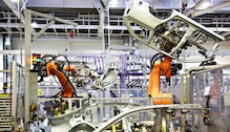
    Artificial intelligence has become one of the automotive industry’s buzzwords. It appears in earnings calls, factory tours and investor decks with near-compulsive frequency. Automakers promise smarter factories, fewer defects and lower costs, all delivered by algorithms quietly optimizing production in the background. The reality, however, is more prosaic. AI has proved very useful in specific, tightly bound applications. What it has not yet delivered is the sweeping transformation often impli...
    Tariffs, tech and torque: What’s driving — and slowing — vehicle lightweighting
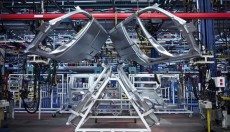
    For decades, automakers have sought ways to shed vehicle weight — from early aluminum and high-strength steel use to modern composites — but electrification, with heavy battery packs, has put lightweighting under the spotlight. Reducing mass improves performance, efficiency and range while helping to meet tightening emissions standards. Today, manufacturers are exploring a broad palette of materials — magnesium alloys, advanced steels, aluminum, carbon-fiber and bio-based composites and th...
    Lights out: The automotive industry’s uneasy march toward dark factories
    Across parts of mainland China’s automotive sector, factories designed to operate without human presence are no longer experimental showcases. So-called “dark factories” — highly automated plants that rely on robotics, AI and dense sensor networks — are already producing electric vehicles at an industrial scale, operating continuously without lighting, heating or on-site labor. In Europe and the US, the concept remains more aspirational than real. Yet the direction of travel is incr...
    CES 2026 Spotlights Automotive Technology, from AI to Software-Defined Vehicles
    CES 2026 marked a clear shift in the automotive industry’s priorities. With demand for electric vehicles (EVs) softening and regulatory and cost pressures mounting, automakers and suppliers used the CES tech conference to emphasize automotive technology like artificial intelligence (AI) rather than electrification. Their focus moved to so-called physical and context-aware AI—systems that interpret real-world conditions in real time—positioning cars as software-defined vehicles rather than ...
    CES 2026: KPIT’s vision for the software-defined vehicle
    As the automotive industry accelerates toward software-defined, electrified and connected mobility, the Consumer Electronics Show (CES) 2026 has become a critical forum for technology-led transformation. In this interview from CES 2026, Omkar Panse, chief technology officer of KPIT Technologies, outlines how the company is refining its strategic focus — both in how it engages at global events and in the solutions it brings to market. Panse explains that KPIT’s participation at CES is not ...
    A conversation with Cerence AI at CES
    Conversational artificial intelligence is rapidly reshaping the in-car experience, transforming vehicle systems into intelligent, voice-driven companions. Today’s platforms combine advanced speech recognition with generative AI to enable seamless, hands-free control of navigation, entertainment, climate and more. What was once limited to simple commands has evolved into multi-step dialogue, proactive suggestions and interactions that blend voice, visuals and contextual cues. The industry ha...
    Rear-wheel steering: Reviving a niche technology for the autonomous and electric future
    The rear-wheel-steering (RWS) system, also known as four-wheel steering, has been used in vehicles for over 50 years but has yet to achieve widespread adoption. The system relies on electronics, such as actuators, sensors and control systems, to perform steering functions, offering enhanced vehicle stability and maneuverability by allowing the rear wheels to turn either in the same direction as or opposite to the front wheels. At low speeds, typically below 30 to 40 miles per hour (mph), the ...
    Driving the future: NVIDIA’s vision for AI in automotive
    NVIDIA is redefining the trajectory of automotive technology, with a vision for AI that extends far beyond the traditional concept of AI-defined vehicles. In a recent interview with S&P Global Mobility, NVIDIA shared insights on the evolution and integration of generative AI, agentic AI and physical AI within the mobility sector. This multilayered approach starts with GenAI, which creates realistic scenarios for autonomous vehicle (AV) training, and advances to agentic AI — capable of auto...
    The steel deal: lightweighting the future of EVs
    This analysis summarizes insights from an Autology podcast hosted by Matthew Beecham exploring the evolving role of advanced high-strength steels (AHSS) in the automotive industry. Joining him are Mengyin Tao, Principal Research Analyst for Materials at S&P Global Mobility, and Ingo Olschewski, Director of WorldAutoSteel, representing a coalition of leading steel producers. Their discussion centers on how AHSS is shaping the future of vehicle design, safety, efficiency and sustainability. ...
    Interior Insight: VW Tayron
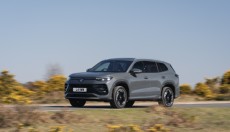
    Filling the long-standing gap between the Tiguan and Touareg, the Volkswagen (VW) Tayron arrives not as a stretched derivative — as the Tiguan Allspace once was — but as a purpose-built, full-size crossover with a more upmarket feel. That matters because customers now expect seven-seat sport utility vehicles in this class to be bespoke designs with interiors that convey substance and refinement. Measured on those terms, the Tayron’s cabin is one of the clearest areas where VW’s new appro...
    Insights on robo-taxi technology and collaboration — Interview with Horizon Robotics
    The rise of robo-taxis marks a clear shift in the mobility sector, with the industry favoring a gradual, step-by-step approach to autonomy. This method allows for real-world testing of advanced capabilities, making robo-taxis a practical extension of existing automotive technology. Collaboration across the robo-taxi ecosystem is essential. Partnerships with technology providers, operators and regulators help build the platforms needed to improve efficiency and support future growth. At the sa...
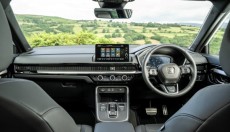
    Interior Insight: Honda Civic Type R
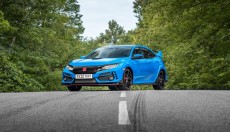
    The latest-generation Honda Civic Type R arrives as both a celebration and a farewell. With production expected to end in 2026, it stands as one of the final purely petrol-powered, manual-transmission hot hatchbacks in a landscape rapidly shifting toward dual-clutch gearboxes, electrification and all-wheel-drive (AWD) mega-hatches. At first glance, the new Civic Type R strikes a more mature tone than the flamboyant model it replaces. The swollen wheel arches, functional vents and deep front s...
    Interior Insight: Nissan Ariya
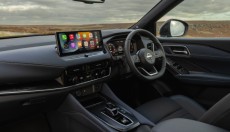
    The Nissan Ariya enters a crowded field of midsized electric crossovers, and on paper, it doesn’t promise anything especially radical. Efficiency is average, the charging speeds are merely competitive and the opinions on exterior design are divided. Yet step inside and the car’s priorities become clear. This review continues our series exploring in-car technology and materials. Minimalist cabin design The Ariya’s cabin does not reinvent the electric vehicle interior, but it does app...
    Beyond headlights: The evolution of front lighting in modern vehicles
    Over the years, front lighting has evolved into a crucial design tool for vehicle manufacturers, enhancing the aesthetic appeal of vehicles without compromising their essential role in ensuring safer driving. While automakers are required to equip their vehicles with mandatory headlights and auxiliary lights — such as turn indicators, position lights, and, in certain markets, daytime running lights (DRLs) — they have a variety of options to create unique, model-specific light signatures. The...
    Navigating the software-defined vehicle landscape with BMW, Valeo Brain and KPIT
    This analysis summarizes insights from an Autology podcast featuring Joachim Mathes, CTO of Valeo Brain; Venkatraman V, senior practice director at KPIT; and Christoph Grote, senior vice president of Electronics and Software at BMW Group, hosted by Jeremie Bouchaud, director of Autonomy, E/E & Semiconductor, SDV at S&P Global Mobility. The discussion focuses on the transformative potential of SDVs in the automotive industry, emphasizing the integration of sophisticated software capabilit...
    The mobility makeover: NVIDIA, AI and the changing face of the car
    This analysis summarizes insights from an Autology podcast hosted by Phil Amsrud, Senior Principal Analyst at S&P Global Mobility, featuring Ali Kani, vice president of automotive at NVIDIA. The discussion centers on advancements in automotive technology and the emergence of automated driving control (ADC) solutions, marking a potential shift toward the software-defined vehicle (SDV) era. Kani shares exclusive insights on NVIDIA's role in shaping the future of mobility through strategic part...
    Navigating Mobility with Qualcomm
    This analysis summarizes insights from an Autology podcast hosted by Phil Amsrud, Senior Principal Analyst at S&P Global Mobility, featuring Nakul Duggal, group general manager of Automotive and Industrial IoT at Qualcomm Technologies Inc. The episode discusses advancements in automotive technology, particularly developments showcased at the 2025 IAA Mobility show, including progress in hardware and software, end-to-end solutions, and Qualcomm's road map for system-on-chip hardware aimed at ...
    Interior Insight – VW Tiguan

    In a world where SUVs dominate every car park, few names are as familiar as the Volkswagen Tiguan. Volkswagen has introduced the third generation, a car that carefully updates the formula rather than rewriting it. Bigger, cleaner and more digital than before, the latest Tiguan promises to deliver what its predecessors did best: space, comfort, and quiet competence. On paper, it succeeds. But in a class now filled with sharper, more distinctive rivals, the question remains whether the Tiguan’s ...
    Connected digital services becoming an increasingly important slice in automakers’ revenue pie
    Traditional automotive OEMs are effectively shifting focus from simply manufacturing and selling vehicles to selling upgradeable platforms and generating recurring revenue streams, such as connected-car services subscriptions and software-as-a-service (SaaS) and mobility-as-a-service (MaaS) use cases. As vehicles are getting increasingly software-defined, continuous universal connectivity enables them to communicate with their environment, collect data in real time, and send it to the cloud. ...
    Mobileye's insights on robo-taxi go-to-market strategy
    Mobileye, a global leader in advanced driver assistance systems and autonomous driving technology, is planning to expand its commercial robo-taxi operations into key international markets. The company is conducting tests and deployments in cities including Los Angeles and Munich, with plans to enter other major mobility markets globally. This expansion is being pursued in close alignment through vehicle platform collaborations, regional regulatory frameworks and market conditions. For further...
    The future of lidar in autonomous mobility — interview with RoboSense
    Light detection and ranging (lidar) technology is quickly redefining what is possible in autonomous driving and robotics, offering a powerful new way to map the world. By sending out laser pulses and measuring how long they take to bounce back, lidar builds high-resolution, 3D models of its surroundings — vital data that helps vehicles and robots see, understand and move through the world safely. In recent years, the technology has made huge strides. The development of proprietary lidar chi...
    Qualcomm's insights on the future of ADAS and cockpits
    The automotive landscape is changing, influenced by technological advancements, and shifting consumer preferences across different regions. In the cockpit market, mainland China is focusing on rapid innovation and AI integration to improve in-vehicle experiences. European consumers prioritize safety, convenience and sustainability, while US consumers emphasize entertainment and personalization along with safety. These regional differences lead original equipment manufacturers to adapt their c...
    Interior insight: Honda Civic
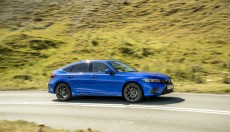
    In an era where automotive interiors increasingly double as digital showcases, the Honda Civic takes a more measured path. This restrained yet functional approach signals Honda’s continued commitment to usability, durability and real-world practicality over tech theatrics. Now in its 11th generation, it remains a benchmark in the compact hatchback segment — not through revolution, but through refinement. With hybrid drivetrains now mainstream and user expectations escalating, its cabin is...
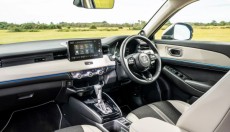
    Interior Insight: Honda ZR-V
    Honda ZR-V enters the crowded sport utility vehicle (SUV) market with a hybrid-only powertrain, Civic-based architecture and a clear emphasis on agile handling over sheer practicality. Sitting between the HR-V and CR-V, it targets buyers looking for premium touches without crossing into luxury-brand territory. This review continues our series exploring in-car tech and materials. Materials and finish Honda has made a perceptible quality uplift compared to previous models and even the Civic ...
    Momenta's insights on ADAS and robo-taxi development
    The evolution of intelligent driving technology is entering a pivotal stage, marked by the large-scale deployment of high-level advanced driver assistance systems (Level 2++) and the engineering maturation of Level 4 autonomous driving. Rather than viewing assisted and autonomous driving as separate tracks, Momenta sees them as two stages of the same technological continuum — connected by data, software architecture and safety validation frameworks. Momenta’s approach embodies this transi...
    Are automotive software companies embracing regionalized development strategies?
    The SDV market is laying the groundwork for vehicles that are not only smarter but more responsive to the demands of today’s consumers. However, this shift is not just about keeping pace with consumer demands, it is also about fundamentally changing how automakers approach vehicle design and functionality, and consequently, their software strategies. SDVs are also rewriting the rules for how automakers and suppliers work together. The old original equipment manufacturer (OEM)-supplier model...
    Key trends in software-defined vehicles: Insights from Neusoft
    Software-defined vehicles (SDVs) are reshaping the automotive industry, marking a shift where software — not hardware — is at the core of vehicle innovation. Unlike traditional vehicles that depend largely on mechanical and electrical components, SDVs integrate sophisticated software platforms to deliver advanced capabilities such as intelligent cockpits, advanced driver assistance systems and seamless connectivity. This evolution is largely driven by consumer demand for safer, smarter and m...
    Pony AI's vision for robo-taxis
    Robo-taxis are emerging as a significant innovation in the transportation sector, particularly in mainland China, where the technology is being actively developed and deployed. In major cities, such as Beijing, Guangzhou, Shanghai and Shenzhen, companies such as Pony AI has received licenses for fully driverless operations, allowing them to provide commercial ride-hailing services. As of the end of June 2025, Pony AI reported more than 380,000 registered users on its PonyPilot app, with their ve...
    Front center airbag: A critical addition to ensure occupant safety in vehicles
    Over the years, automakers have increased the number of airbags offered in vehicles to improve occupant safety. Apart from driver and front seat passenger airbags — also called dual airbags and offered in most vehicles — automakers equip new vehicles with side airbags, curtain airbags, knee airbags, front center airbags, and front seat cushion airbags. Each airbag offered in a vehicle is designed to play a critical role in protecting occupants during a crash. For example, while ...
    IAA Mobility 2025: Key vehicle human-machine interface (HMI) trends
    The automotive industry is seeing a paradigm shift where software is the defining factor for innovation and user experience. At the recently concluded biennial event IAA Mobility 2025 in Munich (Germany), there was an unmistakable focus on blending the driver’s physical and digital worlds as industry stakeholders converged to showcase technologies and innovations to enhance the entire mobility journey, making vehicles more integrated into the broader digital ecosystem. Multimodal inter...
    From incubator to industry player: Interview with ZYT
    ZYT began as a promising incubator project within DJI, the Shenzhen-based drone giant, with a focused mission: To explore innovations in automotive technology. However, as DJI reevaluated its strategic priorities, the trajectory of ZYT shifted. Backed by a wave of investments from major original equipment manufacturers, ZYT officially spun off to operate as an independent subsidiary — positioning itself for greater autonomy and strategic growth. The separation marked more than just a change...
    The rise of robo-taxis in global markets: Interview with WeRide
    The robo-taxi sector is gaining momentum as Chinese autonomous vehicle companies prepare to deploy their technologies globally, bolstered by growing consumer acceptance and supportive governments. Recent advancements in AI and machine learning are improving the capabilities of autonomous vehicles. WeRide is using technologies such as closed-loop and large-scale simulation engines to enhance fleet performance and safety. Regulatory support is also evolving, particularly in the Middle East a...
    Rethinking electric motors – Interview with Advanced Electric Machines
    As the global automotive industry accelerates its transition to electrification, concerns around the sustainability and security of electric motor supply chains are becoming increasingly urgent. One major point of focus is the use of rare earth elements — materials that are essential to traditional electric motors but are associated with environmental degradation, limited recyclability and geopolitical supply chain risks. In response, companies like Advanced Electric Machines (AEM) are develop...
    Understanding the rise of software-defined vehicles – Interview with KPIT Technologies
    Software-defined vehicles (SDVs) are reshaping the automotive landscape, marking a significant departure from traditional vehicle design and functionality. This transformation is fueled by a growing demand for enhanced connectivity, automation and user-centric features. As cars increasingly rely on software to operate, capabilities such as autonomous driving, advanced infotainment systems and vehicle-to-everything (V2X) communication are becoming standard. The SDV ecosystem is structured arou...
    SDVs driving the digitization of the vehicle cockpit
    The automotive industry is undergoing a digital transformation, and this trend is manifested nowhere more visibly than in the vehicle cockpit. Software-defined vehicles (SDVs) deploy dashboards with more digital instrumentation and fewer analogue gauges, thanks to their varied information requirements driven by higher levels of connectivity and autonomy, as well as a concerted push for a clean and minimalistic interior design. With the rise in connectivity and shared mobility use cases com...
    The rise of projection lighting in the automotive industry
    Ground light projection, also referred to as near field projection light or just projection light, is becoming one of the latest trends in automotive lighting, offering significant potential to contribute to safe driving and vehicle personalization. According to data compiled by S&P Global Mobility analysts, automakers installed 12.1 million projection light components in light vehicles produced in 2024, a number forecast to more than double to 34.6 million units in 2031, at a...
    Interior Insight: Nissan Qashqai
    While there is some debate over whether Nissan “invented” the crossover sport utility vehicle (SUV) with the launch of the Qashqai in 2007, its influence in making this vehicle type a global favorite is clear. This review focuses on the interior technologies and materials of the facelifted third-generation model. Cabin materials The interior focuses on practicality and features upgraded materials that differ by trim level. Base models come with durable plastics and fabrics, while highe...
    Interior insight: Subaru Crosstrek
    The Subaru Crosstrek has long been a favorite among drivers looking for a mix of tough capability and everyday practicality. For 2025, Subaru continues this tradition, offering an interior that’s functional, comfortable, and well-equipped, although not without a few compromises. Here is our review of its cabin, focusing on seats, infotainment, connectivity, practicality, space and materials. Seating The Subaru Crosstrek, replacing the outgoing XV, arrived in showrooms in January 2024. Bu...
    Ford’s bold bid for the next big thing
    How cars are built and the concept of the moving assembly line are culturally ingrained in the automotive industry. Every now and again, the automotive industry goes through phases of trying to do things differently. Ford is the latest in a long line of automakers to try and innovate. Electrification, the rise of Tesla, the often best-in-class levels set by mainland Chinese original equipment manufacturers for digital vehicle attributes, and ever-increasing and accelerating new vehicle prices...
    Interior insight: VW T-Roc
    Volkswagen has updated the T-Roc compact sport utility vehicle (SUV) with new features to keep it competitive. This refresh introduces new performance variants, including the sporty R and the open-top Cabriolet. Size-wise, it measures 4,236 mm in length, 1,584 mm in height and 1,819 mm in width, making it shorter, wider and taller than the Golf. Notably, its trunk space is 17% larger than that of its sibling, further enhancing its appeal for those seeking a practical compact SUV. The wheelbas...
    The future of EVs relies on practical engineering solutions — interview with MAHLE Powertrain
    The automotive industry is at a crossroads, facing intense pressure to meet strict emissions regulations while catering to a growing demand for efficient and sustainable vehicles. The integration of battery systems with internal combustion engines (ICEs) in hybrids is not just an option; it is a necessity. This integration poses challenges that require a sharp focus on performance, efficiency and compliance. At the heart of this effort is the need for detailed drive-cycle models that inform the ...
    EV charging industry faces growing pains — interview with ADS-TEC Energy
    The electric vehicle charging industry has rapidly evolved, driven by the global shift toward sustainable transportation and the increasing adoption of EVs. This sector includes home chargers, public charging stations and fast-charging networks, all essential for supporting the growing number of EVs on the road. A notable triumph of the industry is the expansion of charging infrastructure. Governments and private companies are investing heavily in charging stations, making it more convenient ...
    The effect of the software-defined vehicle on chassis systems — interview with BWI Group
    The rise of software-defined vehicles (SDVs) is revolutionizing chassis systems, transforming them from simple mechanical frameworks into sophisticated, software-driven powerhouses. This shift is all about enhancing performance, safety and comfort through advanced technology. A major game-changer in this evolution is the integration of advanced driver assistance systems. These systems harness data from multiple sensors and cameras to improve vehicle control and stability. For example, adaptiv...
    Driving change in software-defined vehicles – Interview with Elektrobit
    The automotive industry is amid a radical transformation, and software-defined vehicles (SDVs) are at the heart of it. These vehicles are not just cars; they are sophisticated machines powered by cutting-edge software that controls everything from entertainment systems to critical safety functions. This shift is about more than just tech; it is about redefining what a vehicle can do. One of the most game-changing developments is the rise of over-the-air (OTA) updates. Forget the days of bring...
    The role of smart grids in electric vehicle charging
    A smart grid is an advanced electrical system that uses digital technology to improve the reliability, efficiency and sustainability of electricity distribution. By incorporating information and communication technologies, smart grids allow for real-time monitoring and management of energy flow. This capability is especially important as the number of electric vehicles on the road continues to grow, putting extra pressure on traditional power systems. Charging stations for EVs are vital parts...
    Highlights from the 2025 Volcano Engine AI FORCE Conference
    ByteDance’s Volcano Engine held its FORCE annual conference in Beijing during June 11–12. As an industry event focusing on cutting-edge fields including AI, machine learning (ML), big data and cloud-native technologies, the conference explored how these core technologies can drive industrial innovation and development. The conference brought together many leading technology companies, experts and scholars, jointly building an open and shared platform aimed at promoting technical exchanges an...
    How smart charging technologies are shaping the EV landscape
    The fast-charging sector for electric vehicles is evolving with new technologies and changing consumer needs. A major trend is the rise of ultra-fast charging stations, which can recharge an EV's battery to 80% in just 15 to 30 minutes, significantly reducing drivers’ wait times. Smart charging technologies are also gaining traction, optimizing charging based on grid conditions and energy prices. This includes demand response programs that allow EVs to charge during off-peak hours or when r...
    Germany leads European charge in automotive open-source software war
    With the support of the German Association of the Automotive Industry (Verband der Automobilindustrie [VDA]), 11 Europe-based automotive companies have entered a pre-competitive cooperation for open-source software development, signing a memorandum of understanding (MoU) at the 29th International Automotive Electronics Congress (AEK). These companies are BMW, Bosch, Continental, ETAS, Forvia, Mercedes-Benz, Qorix, Valeo, Vector Informatik, Volkswagen and ZF. The collaboration involves open-so...
    Waste not, want not: Transforming sustainability practices
    The automotive industry is undergoing a bold transformation as sustainability takes the spotlight. Companies are stepping up, prioritizing sustainable materials and embracing circular economy principles that champion recycling and reuse. With consumers increasingly demanding transparency, businesses are compelled to implement robust traceability solutions to keep a close eye on material lifecycles and meet evolving regulations. This is not just about compliance; it is about accountability and bu...
    2025 Connected Car Consumer Study: Connecting the dots of connected services
    To understand consumer sentiment toward S&P Global Mobility’s technology forecasts, the Connected Car and Consumer Insights research teams conduct an annual consumer survey that serves as a quantitative input to these forecasts. By asking vehicle owners of certain model years a series of questions to gauge activation decisions, subscription lengths and costs, feature desirability and willingness to pay, analysts are able to develop the ‘Feature Desirability & Willingness to Pay’...
    Interior Insight: Honda Jazz Crosstar
    Honda has refreshed its fourth-generation Jazz and Jazz Crosstar, introducing a range of exterior and interior enhancements across all trims. This review delves into the new technologies and materials that elevate this popular supermini. Inside story The Elegance and Advance trims feature revamped black interior trim, now complemented by contemporary seat fabrics that enhance the overall esthetic. In the Crosstar variants, the interior benefits from updated transmission tunnel edging an...
    Talking Heads: The road to innovation is paved with software
    Software-defined vehicles are reshaping the automotive landscape, merging technology with connectivity and security. This analysis originally debuted on the Fuel for Thought podcast, where Manuel Tagliavini, Principal Analyst for SDV and Software, engaged in a compelling discussion with moderator Guido Vildozo, Associate Director of Automotive Consulting at S&P Global. Click the link above to download the whole article.
    Chassis matters: On a roll with ZF
    The automotive industry is changing rapidly, and trends in steering technology are essential for improving vehicle performance and safety. In the last decade, the shift to electric vehicles has led to the widespread use of electric power steering (EPS), making cars lighter, more efficient, and responsive. This shift introduces features like steer-by-wire, which enhances design flexibility and supports autonomous driving. Steer-by-wire technology will transform vehicle handling, enabling innov...
    Holograms in motion
    The automotive industry is transforming as vehicles become smarter. Advanced sensors, enhanced communication features, and autonomous driving technologies are reshaping the driving experience and redefining vehicle interiors. This shift has made electronics a major cost factor as manufacturers integrate innovative technologies to meet consumer demands for safety and convenience. A standout development in this evolution is the rise of head-up displays (HUDs), which project critical driver info...
    From gas guzzlers to green machines: The automotive industry's sustainable shift
    The automotive industry is undergoing a significant shift towards sustainability, driven by regulations, changing consumer preferences, and the urgent need to combat climate change. As manufacturers work to reduce their environmental impact, using sustainable materials and innovative manufacturing methods is crucial. However, achieving sustainability in this sector is not easy; it demands substantial effort to implement these practices throughout the entire value chain. Initial costs  ...
    Current trends: The shift in electric vehicle charging infrastructure
    Technological advancements, regulatory policies and changing consumer behaviors will influence the future of electric vehicle charging. While public charging stations are vital for the growing EV market, most charging occurs at home, making domestic charging infrastructure a strategic priority. Home charging solutions offer greater convenience and alleviate pressure on public networks as EV demand rises. Manufacturers are increasingly integrating efficient home charging options to enhance the ow...
    Ampere's approach to software-defined vehicles
    The automotive sector is experiencing a seismic shift, with software-defined vehicles (SDVs) leading the charge. These vehicles use advanced software to improve functionality, enabling features such as over-the-air updates and real-time data analytics. While this shift aims to enhance user experience, it also presents challenges, especially in integrating new technologies into existing organizational frameworks. In this interview with S&P Global Mobility, Henry Bzeih, chief software offic...
    Interior Insight: Honda CR-V
    The Honda CR-V has long been a cornerstone of the compact sport utility vehicle market, and the latest sixth-generation iteration reinforces this legacy with a pronounced emphasis on practicality, comfort and usability. This review delves into the interior aspects of the CR-V, examining materials, comfort levels, infotainment features, connectivity, boot space, practicality and advanced driver assistance systems. Material matters Notable enhancements have been made in the quality of m...
    Auto Shanghai 2025: It was all there, from software-defined vehicle to vehicle-defining software
    The biennial Auto Shanghai 2025 has emerged as a showcase for an array of technologies that blend hardware with software, effectively blurring the lines of traditional automotive classifications. Over the last decade, the event has matured into a pivotal global stage for both local debuts and international launches. Yet, the conspicuous absence of several key brands suggests a potential transformation within the industry. For the first time since 2002, major Korean automakers Hyundai, Kia, an...
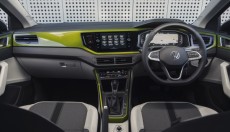
    Interior insight: VW Taigo
    The compact sport utility vehicle (SUV) from Volkswagen has entered a competitive market, showcasing a design that aims to capture attention. However, does it deliver on the promise of a well-rounded interior? Sharing its platform with the Volkswagen T-Cross, the Taigo uses the MQB A0 architecture. Its sleek, coupe-like silhouette features a sloping roofline and a 66-mm height reduction, enhancing visual appeal while maintaining adequate interior space. The cabin offers options for body-color...
    Treading lightly: Sumitomo Rubber Industries’ path to sustainability
    Sustainability in the automotive tire industry is increasingly becoming a focal point as manufacturers respond to environmental concerns and regulatory pressures. The production of tires traditionally involves significant resource consumption, including fossil fuels, natural rubber and various chemicals, leading to substantial greenhouse gas emissions and environmental degradation. However, industry players are pursuing initiatives to mitigate these impacts. Key strategies include the adoptio...
    Cars that care: The sustainability shift
    Sustainability in the automotive industry is becoming increasingly important as the sector works to address its impact on the environment. One key focus is the use of lightweight materials, which can improve fuel efficiency and reduce emissions throughout a vehicle's life. Manufacturers are looking for alternative raw materials and developing designs that minimize environmental impact. This includes using recyclable materials and making products easier to recycle at the end of their life. ...
    Shaken but not stirred: Consumers’ trust in autonomous vehicles is improving
    Consumer trust in autonomous vehicles remains mixed and cautious globally, with skepticism still outweighing enthusiasm in most markets, even as the technology improves. To understand consumer sentiment toward autonomous driving technologies, the research and consumer insights teams at S&P Global Mobility conducts an annual survey that serves as a quantitative input and foundational pillar of our vehicle autonomy forecasts. By asking new-vehicle intenders a series of questions to gauge de...
    Sustainability trends in the automotive industry
    Sustainability is increasingly becoming a priority in the automotive industry, as companies seek to address their environmental impact and respond to regulatory pressures. Establishing Environmental Committees allow organizations to systematically evaluate their operations, from individual contributions to manufacturing processes. Collaborating with ISO 14001 accredited suppliers is essential for enhancing supply chain sustainability and minimizing packaging waste. Companies are also consolidati...
    Driving sustainability – Interview with PPG
    Sustainability in the automotive industry is increasingly focused on the development and use of electric vehicle battery materials and coatings. As the shift toward electrification accelerates, manufacturers are prioritizing environmentally friendly practices to minimize the ecological footprint of their products. This includes enhancing the recyclability of materials, reducing energy consumption during production and ensuring compliance with stringent environmental regulations. One of the cr...
    Sustainable steel: Insights from Tata Steel UK's leadership
    The automotive steel industry is experiencing notable changes driven by sustainability concerns. Key trends include the adoption of lower carbon production methods, increased recycling efforts and a focus on responsible sourcing practices. One significant trend is the transition from traditional steelmaking processes to electric arc furnace (EAF) technology. EAFs primarily use recycled scrap steel, resulting in a reduction of carbon emissions compared to conventional blast furnaces, which rel...
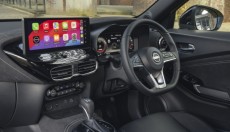
    Interior insight: Nissan Juke
    The Nissan Juke, now in its second generation, continues to pay homage to its motorbike-inspired roots while evolving in terms of design and functionality. The interior reflects this duality, with elements like a glossy center-tunnel top that resembles a fuel tank and a cowl above the dials, reminiscent of the original model. However, the 2024 update has introduced improvements, making the Juke's interior both more refined and user-friendly. Interior overview The cabin features soft padded...
    Interior Insight: Honda HR-V
    This Insight continues our series of car interior reviews, focusing on the technologies and materials. Launched in Europe in late 2021 and refreshed in 2024, the Honda HR-V carries the e:HEV badge, following in the footsteps of its siblings, the CR-V and Jazz. The interior of the HR-V has been designed to enhance accessibility and comfort. The central dash and console have been adjusted for easier access to the wireless charging mat. Enhanced sound-deadening measures have been implemented to ...
    Eye spy: Q&A with Seeing Machines
    Occupant monitoring systems (OMS) are becoming a game-changer in the automotive industry for safety and user experience. These systems are not just about detecting who is in the car; they combine 2D cameras with 3D depth sensors to deliver precise occupant tracking. With AI, they assess driver distraction by monitoring eye movements and head positions, giving real-time insights into whether a driver is paying attention or not. Edge computing takes this a step further, processing data on the spot...
    Reinventing the wheel for electric vehicles
    The automotive industry is undergoing a significant transformation as it shifts toward electrification and sustainability. Among the innovations driving this change are in-wheel electric motors, which offer a unique approach to vehicle design and performance. These systems integrate the motor directly within the wheel hub, potentially simplifying vehicle architecture by minimizing the need for traditional components, such as transmissions and driveshafts. This design not only aims to simplify ma...
    The shift to steer-by-wire systems - Interview with ZF
    Steer-by-wire (SbW) systems are a modern approach in automotive steering technology that replace traditional mechanical connections with electronic controls. This system utilizes sensors and actuators to manage steering inputs, allowing for precise control without the need for physical linkages. SbW systems offer several advantages, including the ability to adjust the steering ratio based on driving conditions, which can enhance maneuverability in urban settings and stability at higher speeds. ...
    Hyundai throws its hat in the SDV ring with Pleos
    Hyundai Motor Group introduced its new mobility software brand Pleos at its 2025 developer conference held on March 28, marking a pivotal shift toward becoming a mobility technology company. Pleos, combining the Greek word "pleo" for "more" and OS for operating system, is designed to support autonomous movement and smart management of all mobile devices, connecting transportation and infrastructure to create a more efficient mobility environment. Specifically, Pleos aims to enhance the i...
    Demand for motorized interior systems is set to grow amid rising focus on higher in-vehicle comfort
    Automakers are counting on electric motors, which convert electrical energy into mechanical energy by applying the principle of electromagnetism, for supporting various functions in vehicles, ranging from chassis and safety to powertrain to interior systems. In the automotive interior, electric motors have been used for enabling comfortable seating, opening/closing of sunroofs, rolling up/down of door windows and for locking/unlocking of doors. In addition, electric motors are integral...
    How automotive brake actuation system is evolving?
    Braking systems remain the most important safety systems for performing the critical tasks of decelerating and stopping vehicles to prevent accidents. For nearly a century, automakers have equipped their vehicles with hydraulic braking systems, relying on drum brakes, disc brakes or a combination of both to slow down or bring the vehicle to a complete halt. Hydraulic brake systems use hydraulic fluid, a type of oil, to transmit force from the brake pedal to the brake components. When the brake p...
    Computing on the edge and in the cloud: turning SDVs into reality
    As part of the shift to software-defined vehicles (SDVs), cloud computing has become a strategic extension of the vehicle-embedded systems computing. As a part of the cloud ecosystem, a collection of components work together to create a comprehensive experience for end vehicle users. These components include telematics, connectivity, infotainment, remote control and monitoring, software and firmware updates, data analytics, cybersecurity, and autonomous and connected features. The goal of an ...
    DeepSeek—So far so good, but can it weather the restricted chip access storm?
    AI is now a necessity in the automotive industry. From autonomous driving systems that promise seamless travel to in-cabin technologies that personalize our journeys, AI has become  a catalyst for accelerating the integration of new revolutionary technologies into vehicles. Until recently, there had been a prevailing notion that developing leading-edge large language models (LLMs) require significant technical and financial resources. That notion, however, stands disrupted now by a Chine...
    Ambient lighting: more than just decorating vehicle interior
    Ambient lighting has rapidly emerged as a key tool for automotive designers to transform vehicle interior. Demand for the innovative interior lighting solution has grown rapidly over the past five years, consistently setting new fitment records annually. According to the forecast by S&P Global Mobility analysts, automakers installed 318.4 million ambient light components in more than 89 million vehicles produced in 2024. Ambient light fitment is forecast to continue to grow over the next six...

    How software-defined vehicles are shifting gears: Insights from Valeo Brain's CTO
    The emergence of software-defined vehicles (SDVs) is transforming the automotive industry by integrating advanced technologies, enhancing connectivity, and redefining the relationships between original equipment manufacturers and suppliers. SDVs leverage software to provide enhanced driving automation and improved user experiences, facilitated by advanced driver assistance systems and innovative vehicle interiors. The increasing reliance on data sharing between OEMs and suppliers is paramount, a...
    Sustainability practices in the automotive supply chain
    The automotive industry is transforming as it faces sustainability pressures and must adapt to changing market dynamics. Recently, the focus on sustainability has intensified due to regulatory requirements, consumer demand for greener products and the urgent need to combat climate change. The S&P Global Mobility 2025 Supplier Outlook highlights the sustainability practices being adopted across the automotive supply chain. The growing pressure for sustainability Luz Mauch, executive vic...
    Navigating change: How automotive suppliers are adapting to consumer demands
    The automotive industry is rapidly evolving, shaped by shifting consumer preferences and economic pressures. Suppliers must be agile and proactive, swiftly responding to consumer demands while balancing production costs and profitability in a fiercely competitive market. The S&P Global Mobility 2025 Supplier Outlook emphasizes the need for suppliers to tackle these market changes head-on. Consumer behavior in flux Economic factors are key in shaping how consumers behave. In turn, these...
    The Case for Solid-State Batteries: Interview with Ilika
    Suppliers are increasingly exploring solid-state batteries (SSBs) as a potential solution for the automotive industry, particularly as manufacturers seek to enhance the performance and safety of electric vehicles. Unlike traditional lithium-ion batteries that use liquid electrolytes, SSBs use solid electrolytes, which have several advantages, including improved energy density, greater safety and longer life cycles. However, while these benefits are promising, the technology is still in the devel...
    Teamwork makes the dream work in automotive
    In an era where vehicles are as much about software as they are about steel, partnering has become essential rather than just beneficial. It is the powerhouse driving advancements in connected vehicles, autonomous driving innovations and sustainable practices within the automotive industry. However, collaboration in this sector can be a double-edged sword; while it sparks innovation, it also presents challenges. Cultural clashes, intellectual property dilemmas and the need for agility in respons...
    How AI is powering the next generation of vehicles
    AI is now a necessity in the automotive industry. From autonomous driving systems that promise seamless travel to in-cabin technologies that personalize our journeys, AI is a catalyst for change. Insights from S&P Global Mobility’s 2025 Supplier Outlook highlight how AI can change vehicles and the entire automotive ecosystem. By analyzing user behaviors, AI can adjust settings and keep track of driver alertness, moving maintenance from a reactive to a proactive approach. This enhances f...

    Charting a course through automotive supply chain disruptions
    The automotive industry is grappling with a myriad of supply chain disruptions that have become increasingly common since the pandemic struck. In addition to Brexit complexities, rising material costs, natural disasters, geopolitical tensions and economic instability are forcing companies to rethink their logistics and sourcing strategies on the fly. While improvements are anticipated in the global car chip shortage, challenges persist. As Nimish Ashar, associate director of E/E & Semicon...
    Steering through regulations in the automotive sector
    As the automotive industry evolves, suppliers must prioritize regulatory compliance due to stricter environmental laws linked to climate change. Investing in new technologies is essential to avoid penalties and enhance competitiveness. We examine the regulatory challenges facing suppliers and share insights from industry executives in S&P Global Mobility’s 2025 Automotive Supplier Outlook. Regulatory pressures: A catalyst for change Automotive suppliers are facing numerous challenges...
    Facing the skills crisis in the European automotive sector
    The European automotive supply industry is currently grappling with a severe labor shortage, exacerbated by record attrition levels that have plagued it over the past few years. This alarming situation has led to job losses that surpass even the darkest days of the pandemic. Despite optimistic forecasts for new job creation, the reality reveals a staggering net loss of nearly 56,000 positions since 2020, with the worst yet to come, according to The European Association of Automotive Suppliers (C...
    Q&A with Harman on future-proofing connected vehicles
    According to S&P Global Mobility, the average age of cars and light trucks in the United States is now 12.6 years, and software obsolescence is a pressing challenge for Original Equipment Manufacturers. To stay competitive in the software-defined vehicle landscape, OEMs must ensure their vehicles are future-proof; this means designing telematics control units (TCUs) that easily upgrade from 4G to 5G and incorporate satellite communications for high-bandwidth, low-latency connections. Over...
    Sustainability is set to redefine the use of interior trim materials in vehicles
    Sustainability is transforming almost every industry around the world, including the automotive industry. Several automakers have set targets to achieve net carbon neutrality over the next 15-20 years. Stellantis plans to reach this goal by 2038; Mercedes-Benz in 2039; General Motors and Renault Group in 2040, Hyundai Motor Group in 2045; and BMW, Ford, Honda, Nissan, Suzuki, Toyota and the Volkswagen Group in 2050. To achieve net carbon neutrality, vehicle manufacturers are integrating susta...
    How AI is shaping the future of mobility — interview with PhysicsX
    Artificial Intelligence is increasingly being integrated into the automotive industry, primarily to enhance product development through advanced simulation techniques. The shift from physical testing to numerical simulations has led to substantial time and cost savings. However, this transition has created new bottlenecks, particularly with the running times of complex simulations, such as crash tests, computational fluid dynamics and finite element analysis. These simulations can take hours or ...
    CES 2025: AI, ML and XR emerge as important SDV enablers
    The software-defined vehicle or simply SDV is the new buzzword in the automotive industry and the recently concluded CES 2025 show was no different. As drivers today expect their vehicles to be fully integrated into their digital lives, the SDV is helping enable new connectivity, automation, and personalization features come alive. This trend of software increasingly shaping the customer experience and even the specification of the hardware in some cases makes new business models and types of co...
    AI-driven mobility
    In the high-octane world of automotive manufacturing, AI is more than just a tool — it is the powerhouse driving a monumental shift across the entire industry. From design to the showroom, AI is breaking barriers and igniting innovation. While self-driving technology often steals the spotlight, AI's impact is felt everywhere in the automotive landscape. S&P Global Mobility recently tapped into insights from AI specialists to explore its vast potential. When it comes to safety, AI emerge...
    Interior Insight: Nissan Qashqai
    The Nissan Qashqai, launched in 2007, set off a trend for compact-crossover SUVs, leading to a surge in direct competitors in Europe. This review focuses on the interior technologies and materials used in the third-generation model's face-lifted interior. Like its predecessors, the styling of the new Qashqai was directed by Nissan Design Europe, based in Paddington, London, while engineering was led by the Nissan Technical Centre Europe, in Cranfield, UK.      &n...
    CES 2025: SDVs in focus as the industry pivots towards software
    Vehicles and cities are getting smarter and more connected than ever. As stakeholders across the mobility and industrial ecosystem rewire to become software-enabled enterprises, the concept of software-defined vehicles or SDVs has gained much attention. The recently concluded Consumer Electronics Show (CES) in Las Vegas bore a testament to this. The software-defined vehicle was one of the buzzwords at the annual event this year, which lived up to its promise of being a proving ground for brea...
    Insights from Great Wall Motor's CTO on industry challenges and future prospects
    Great Wall Motor Co. Ltd., (GWM) is a Chinese vehicle manufacturer based in Baoding, Hebei Province. GWM is a global intelligent technology company, whose business includes vehicle and parts design, R&D, production, sales and service. Its brands include HAVAL, WEY, ORA, TANK and GWM Pickup. We spoke to Wu Huixiao, chief technology officer of GWM. (Image source: GWM) Key takeaways: Challenges: User demand for smart cars is growing, prompting Great Wall Motor to enhance user...
    How AI is shaping the future of mobility — Interview with Elektrobit
    The automotive industry is undergoing a significant transformation through the integration of AI technologies. AI is being leveraged to enhance various aspects of vehicle performance, safety and user experience. One of the most prominent applications is in the development of advanced driver-assistance systems (ADAS), which utilize machine learning algorithms to improve safety features such as adaptive cruise control, lane-keeping assistance and collision avoidance. These systems analyze vast amo...
    How AI is shaping the future of mobility - Interview with Ansys
    The automotive industry is increasingly using artificial intelligence to enhance various aspects of vehicle design, production and user experience. AI technologies are proving essential in streamlining processes, improving safety and enabling new business models, ultimately shaping the future of mobility. One of the most significant applications of AI in automotive design is in simulation processes. Traditionally, simulations can take days to complete, but AI-driven tools are reducing this ti...
    How AI is shaping the future of mobility - Interview with Yanfeng
    The automotive industry is increasingly leveraging artificial intelligence to enhance efficiency and improve customer experiences. Manufacturers are using AI for supply chain optimization, predictive analytics, and safety enhancements in advanced driver assistance systems (ADAS). AI is also transforming customer interactions through personalized services and intelligent virtual assistants, while predictive maintenance helps ensure timely vehicle servicing. As the industry faces challenges like r...
    How AI is shaping the future of mobility — interview with DXC Technology
    The automotive industry is experiencing a profound transformation as it increasingly integrates AI into its operations, fundamentally altering how manufacturers engage with consumers and streamline processes. This shift is not merely about enhancing efficiency; it reflects a broader strategy to redefine the mobility landscape in response to evolving market demands. AI technologies are being deployed across various dimensions of the automotive sector, from supply chain optimization to predicti...
    loading
    Searching our resources for you...
    preload preload preload preload preload preload